
Just be sensible
. . . in the most radical sense of the word
Friends,
Apologies for not posting last week, it’s been chaos in my household and I’m only just getting back to work. What follows is a post for all subscribers. I hope you enjoy it.
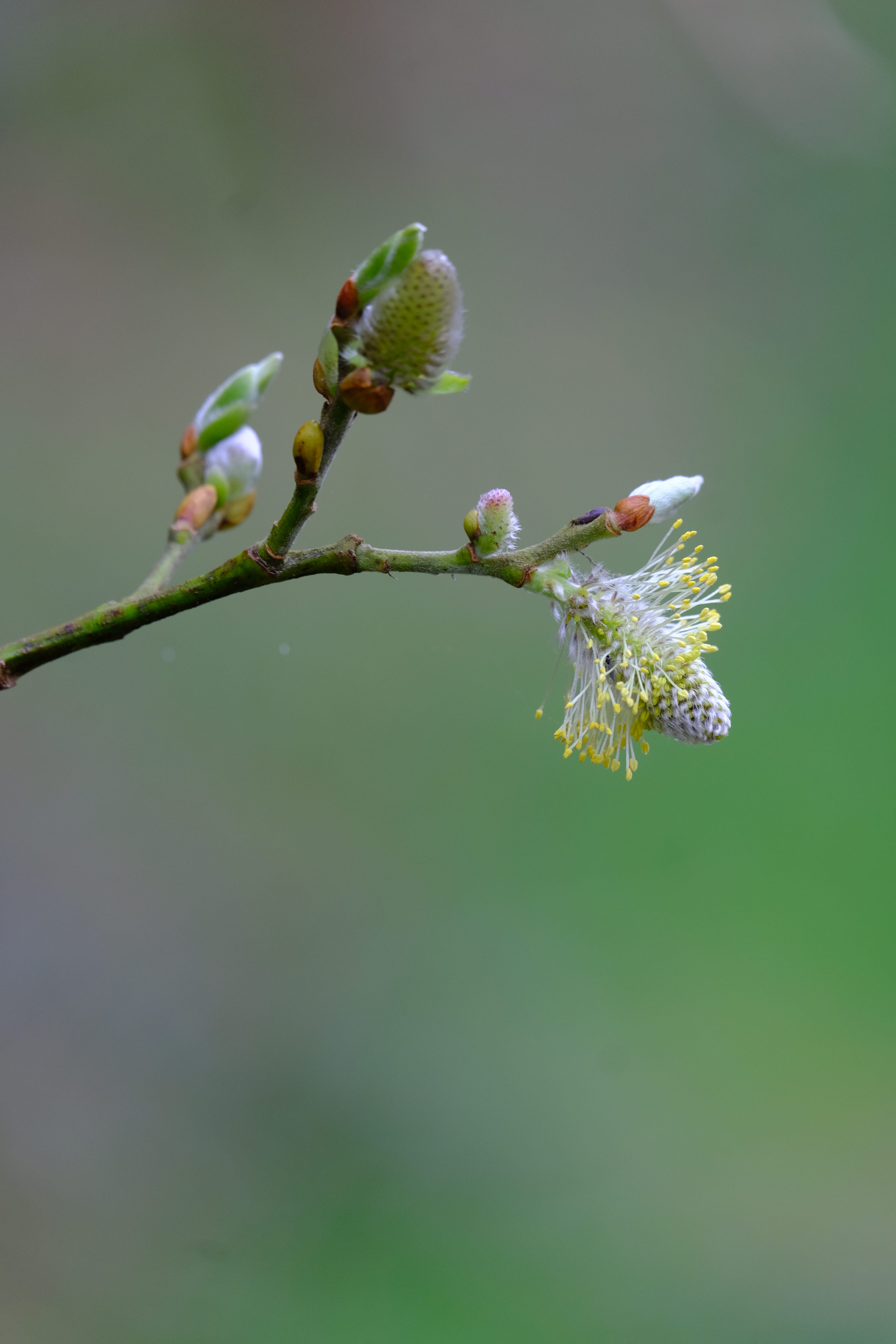
It’s chaos in the woods right now. The blackbirds are having some kind of gang war. One moment the trees are filled with the soft trilling of finches and tits, then the peace is shattered by a mob of male blackbirds chasing each other round the trees and into the brambles, shrieking and yelling at the top of their lungs. The fights last a minute or so; the victor claims his territory, and the rest fly off, needled by their defeat, ready to make war again in another patch of territory. The kites and buzzards are trying to ignore these cacophonous rituals, spending their days up high, couples circling gracefully, the females politely inviting their partners to demonstrate their latest moves over and through the trees. Other birds, more advanced in the breeding cycle, are calm — the rooks, for instance, who are all peacefully perched on their nests, warming eggs or beginning to feed their bald and skinny offspring.
The fingers of spring are now spread along the valley floors, through the woods and along the streams and rivers. Winter still takes the occasional stab at the new season, sending hail showers and the odd flurry of snow onto the mountains, but it knows it’s defeated (for now). Summer is still to come.
Yesterday evening I drove to Burfa Bank, only to find that access is now closed due to ash dieback, which has made many of the trees weak and prone to collapse. I experienced this recently when one fell right in front of my car on a windy morning, and I had to drag the brittle thing out of the road, the trunk snapping easily as I pulled. At first I felt a little angry when I saw the keep-out signs. It’s the quietest place I know, one I return to regularly, and to miss the whole spring transformation seemed like an affront. But I’ve changed my mind. The wood will now be left in peace for the breeding season — fox and badger cubs will be free to explore the paths and tracks; the birds can be a little less secretive. Still, I’ll miss the place.
In the wood is a pile of stones I built, each one with a quartz stripe. Between some of them I’ve placed little drawings of bears and wolves, the long-ago inhabitants of the place. I like to leave gifts for places that are special to me; it’s a practice of mine. One of the drawings is probably the best thing I’ve ever done — a tiny ink drawing of a crouching wolf. It probably doesn’t seem sensible to place my best work between a pile of damp stones to rot down with the leaves. I could have sold it, made a little money. But being sensible is the reason I follow this practice.
Sensible is one of those forked words. Usually it means careful, rational. We try to do things which make sense. But this meaning has only been around for a few centuries. It also means “that which can be sensed”: seen, heard, scented, touched. The earth is sensible and offers itself to our senses in myriad ways, constantly. We too, as beings inseparable from the earth, are sensible. We love to be sensed, to offer our eros, our life energy to others.
If you live in the Northern Hemisphere, you can probably feel it right now: the life energy surging through everything, coming up from the warming ground, passing into roots, buds, leaves; into insects, birds, mammals. Around here you can witness it in every field — ewes tending to their tiny lambs, which begin their lives with a stagger, their legs seemingly not quite part of them. And then, within a day, they’re off cavorting in gangs, climbing every mound, butting heads, chasing each other along the hedgerows. The land offers itself to our senses, however dulled they’ve become. It’s telling us to turn off the screens, shut down the noise for a while, go outside after the long haul of winter.
See, hear, touch, taste.
Just be sensible.
NEWS
I recently wrote a short essay about rivers and my film-poem, Rise and Fall, for Climate Cultures, which is an online space for creative minds to share responses to ecological and climate issues.
The essay includes a free link to the film itself, which won the Clare Crossman Award at last year’s Rivers of Film Festival.
You can find the essay HERE
Climate Cultures also has a space on Substack, which I recommend:
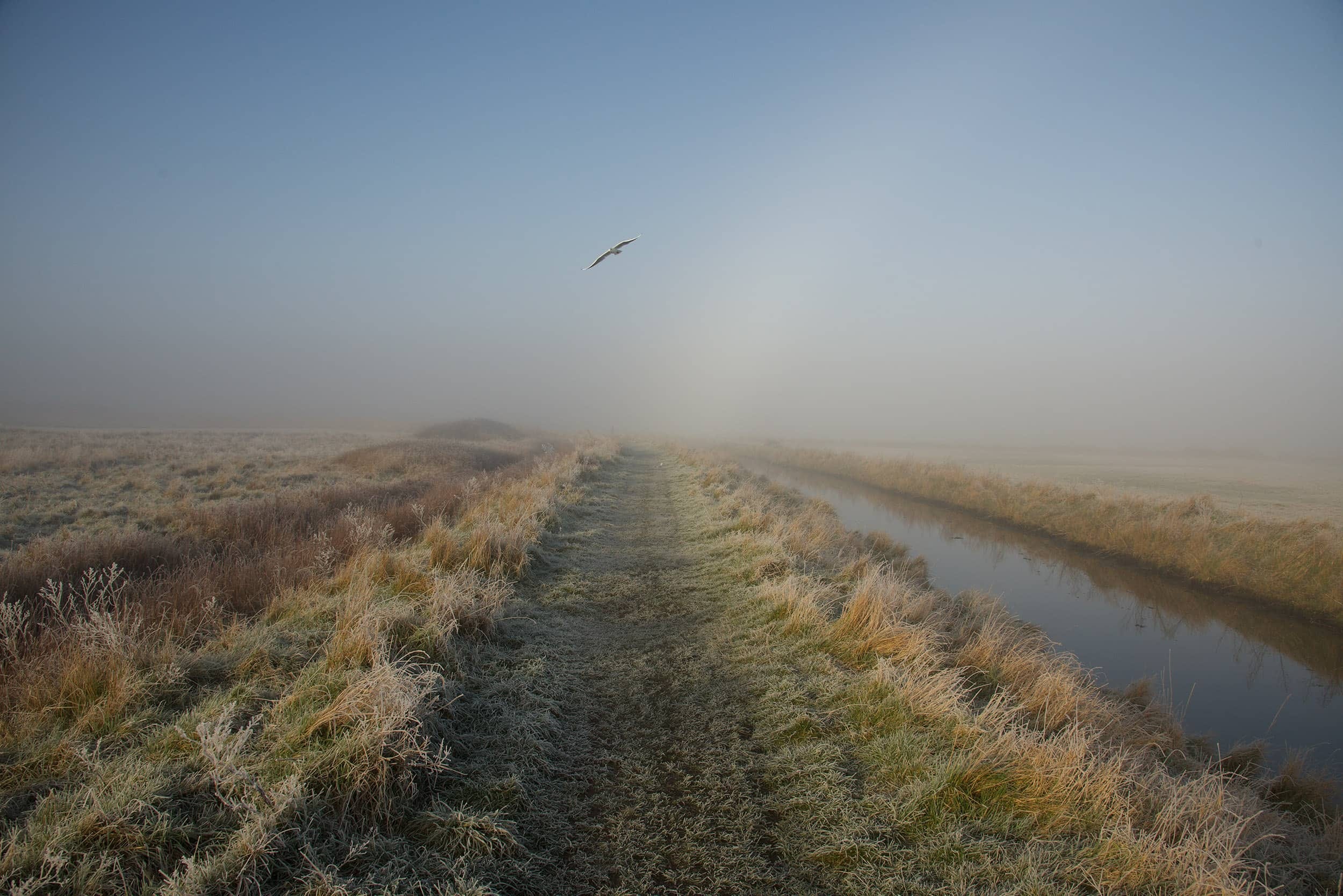
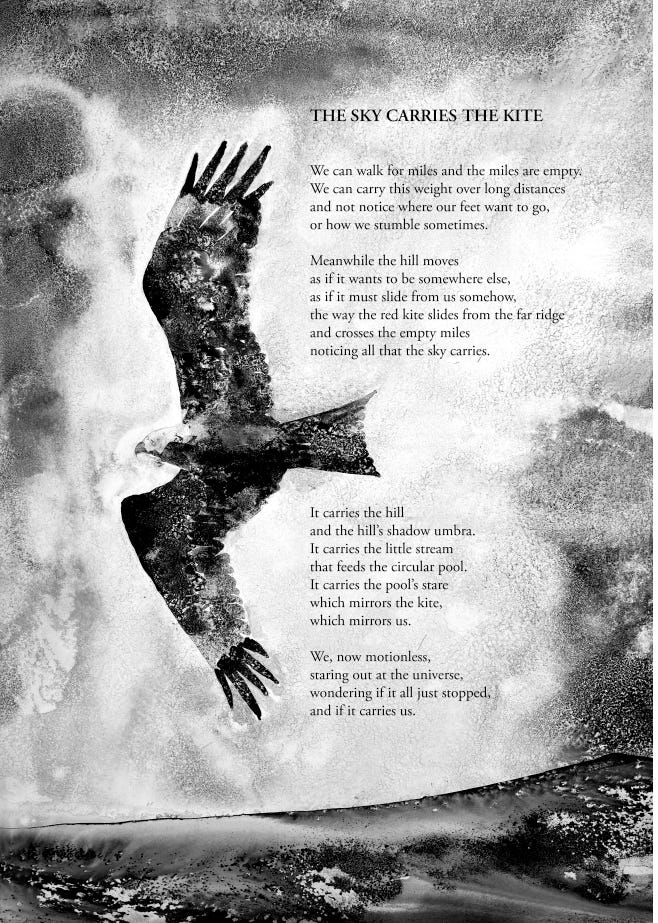
My mission is to connect people to the land and its creatures. My writing, art, films and teaching are all dedicated to this. If you feel something here calling you, there are a few ways to step further in:
— Bring the land home with a print →
Thank you for being here,
J
A beautiful re-making of the word sensible. Thank you. Recovering from some minor surgery, I cannot throw myself into spring gardening tasks for a few weeks, but you remind me that I can be semsible in subtle ways, ways that nourish body and soul. Ways that honor Earth's whispers, scents, textures, touch. Where raking and digging, the typical spring chores, would enthusiastically engage me in the past, this spring's invitation feels like a slowed and even richer eros affair, one that feeds heart and soul, breath and brain, rather than muscled bravado! And perhaps this kind of attentiveness may offer Earth a different kind of fertilizer too!
I love being sensible!